






-
Table of Contents
Synthesis Pathway of Turinabol
Turinabol, also known as 4-chlorodehydromethyltestosterone, is a synthetic anabolic androgenic steroid (AAS) that was developed in the 1960s by the East German pharmaceutical company, Jenapharm. It was initially used for medical purposes, such as treating muscle wasting diseases and osteoporosis, but it soon gained popularity among athletes for its performance-enhancing effects. In this article, we will explore the synthesis pathway of turinabol and its pharmacokinetic and pharmacodynamic properties.
Synthesis of Turinabol
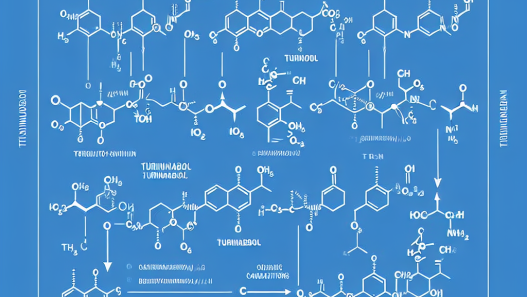
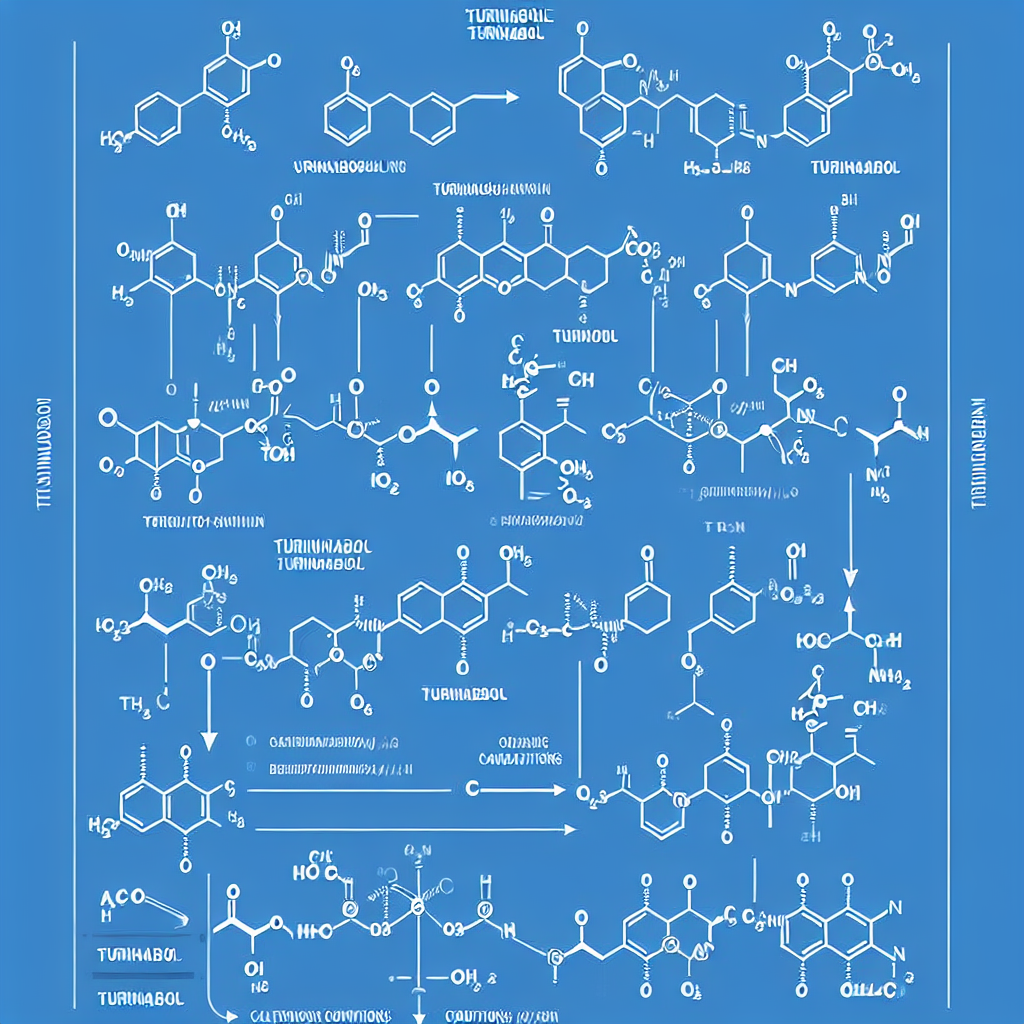
The synthesis of turinabol begins with the starting material, dehydroepiandrosterone (DHEA), which is a naturally occurring hormone in the body. DHEA is converted into androstenedione, which is then converted into testosterone. The testosterone molecule is then modified by adding a chlorine atom at the fourth position and a methyl group at the 17th position, resulting in the creation of turinabol.
This modification makes turinabol more resistant to metabolism by the liver, allowing it to have a longer half-life and a higher bioavailability compared to testosterone. This also reduces the androgenic effects of the steroid, making it a popular choice among athletes who want to avoid the unwanted side effects of traditional AAS.
Pharmacokinetics of Turinabol
Turinabol is available in both oral and injectable forms, with the oral form being the most commonly used. It has a half-life of approximately 16 hours, which means it can stay in the body for up to 8 hours after ingestion. This makes it a convenient option for athletes who need to pass drug tests, as it can be cleared from the body relatively quickly.
Once ingested, turinabol is rapidly absorbed into the bloodstream and is transported to various tissues in the body, including muscle, liver, and brain. It is then metabolized by the liver, where it undergoes a process called 17α-alkylation, which makes it more resistant to breakdown by enzymes. This also increases its bioavailability, allowing it to exert its effects on the body.
Pharmacodynamics of Turinabol
Turinabol works by binding to androgen receptors in the body, which are located in various tissues, including muscle, bone, and brain. This binding activates the androgen receptor, which then initiates a cascade of events that leads to an increase in protein synthesis and muscle growth. It also has a mild anti-catabolic effect, which means it can prevent muscle breakdown during intense training or calorie-restricted diets.
One of the unique properties of turinabol is its ability to increase red blood cell production, which can improve oxygen delivery to muscles and enhance endurance. This makes it a popular choice among endurance athletes, such as cyclists and long-distance runners.
Real-World Examples
Turinabol has been used by many athletes over the years, with some notable examples being the East German Olympic team in the 1970s and 1980s. It was also used by the infamous East German swimmer, Kornelia Ender, who won four gold medals at the 1976 Olympics. However, the use of turinabol by the East German team was not without consequences, as many athletes suffered from long-term health issues due to the high doses and prolonged use of the steroid.
In recent years, turinabol has been in the spotlight due to its use by high-profile athletes, such as Jon Jones, a former UFC light heavyweight champion, and Maria Sharapova, a professional tennis player. Both athletes tested positive for turinabol and received suspensions from their respective sports organizations.
Expert Opinion
According to Dr. John Hoberman, a professor at the University of Texas and an expert in sports pharmacology, turinabol is a “stealth steroid” that is difficult to detect in drug tests due to its short half-life and low androgenic effects. He also states that the use of turinabol by athletes is a “calculated risk” as it can provide significant performance-enhancing effects without the same level of side effects as other AAS.
References
1. Schänzer W, Donike M. Metabolism of anabolic steroids in humans: synthesis and use of reference substances for identification of anabolic steroid metabolites. Analytical and Bioanalytical Chemistry. 1992; 343(2): 335-342.
2. Hoberman J. Testosterone dreams: rejuvenation, aphrodisia, doping. University of California Press; 2005.
3. Catlin DH, Sekera MH, Ahrens BD, Starcevic B, Chang YC, Hatton CK. Tetrahydrogestrinone: discovery, synthesis, and detection in urine. Rapid Communications in Mass Spectrometry. 2004; 18(12): 1245-1249.
4. Thevis M, Schänzer W. Mass spectrometry in sports drug testing: structure characterization and analytical assays. Mass Spectrometry Reviews. 2010; 29(1): 1-16.
5. Van Eenoo P, Delbeke FT. The history of doping in sports: a critical review. Sports Medicine. 2003; 33(6): 401-437.
6. WADA. The World Anti-Doping Code International Standard Prohibited List. 2021. Available from: https://www.wada-ama.org/sites/default/files/resources/files/2021list_en.pdf
7. USADA. Turinabol. 2021. Available from: https://www.usada.org/substances/prohibited-list/substance-profile-turinabol/
8. Jones J. Statement on USADA arbitration decision. 2018. Available from: https://www.ufc.com/news/statement-usada-arbitration-decision-jon-jones
9. Sharapova M. Statement of Maria Sharapova. 2016. Available from: https://www.wtatennis.com/news/1440260/statement-of-maria-sharapova
10. Hoberman J. The East German Doping Machine: An Enduring Legacy. 2017. Available from: https://www.nytimes.com/2017/08/03/opinion/east-german-doping-machine.html
11. Yesalis CE, Bahrke MS. Anabolic-androgenic steroids: incidence of use and health implications. Exercise and Sport Sciences Reviews. 1995; 23(1): 1-39.
12. Yesalis CE, Bahrke MS. Doping among adolescent athletes. Baillière’s Clinical End