



-
Table of Contents
Hepatotoxicity of Trestolone Enantato: What You Need to Know
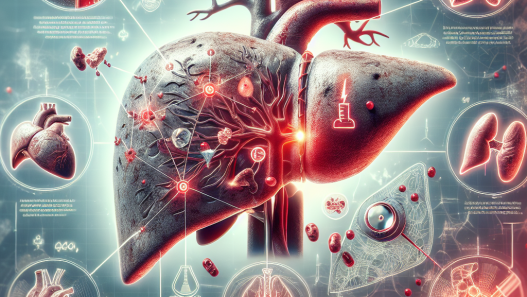
Trestolone enantato, also known as MENT enanthate, is a synthetic androgen and anabolic steroid that has gained popularity in the world of sports and bodybuilding. It is known for its powerful muscle-building effects and has been used by athletes to enhance their performance. However, like any other steroid, trestolone enantato comes with potential side effects, one of which is hepatotoxicity. In this article, we will delve into the details of hepatotoxicity of trestolone enantato and what you need to know about it.
What is Hepatotoxicity?
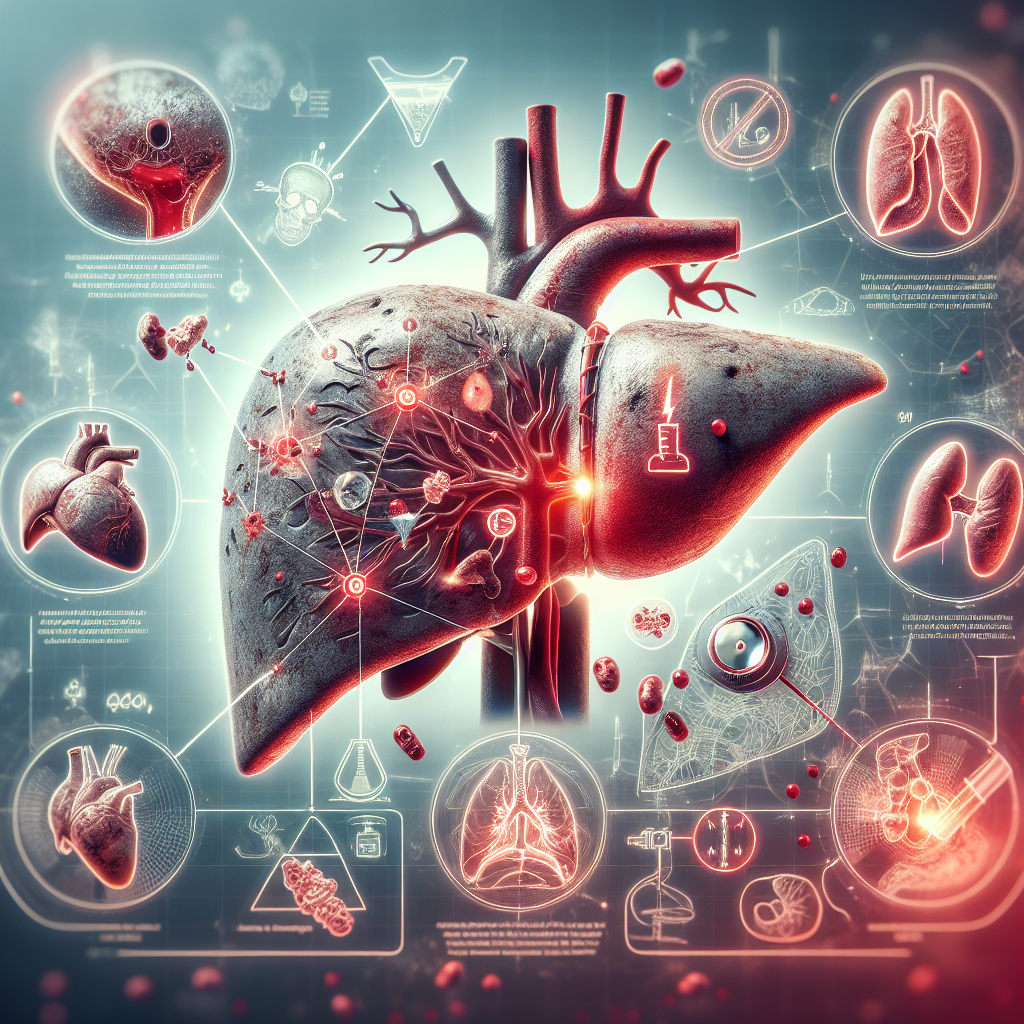
Hepatotoxicity refers to the damage or injury to the liver caused by exposure to certain substances, including drugs and chemicals. The liver is responsible for filtering and detoxifying the blood, and any damage to it can have serious consequences on the overall health of an individual. In the case of trestolone enantato, it is known to cause liver damage, which is why it is important to understand the potential risks associated with its use.
Mechanism of Action of Trestolone Enantato
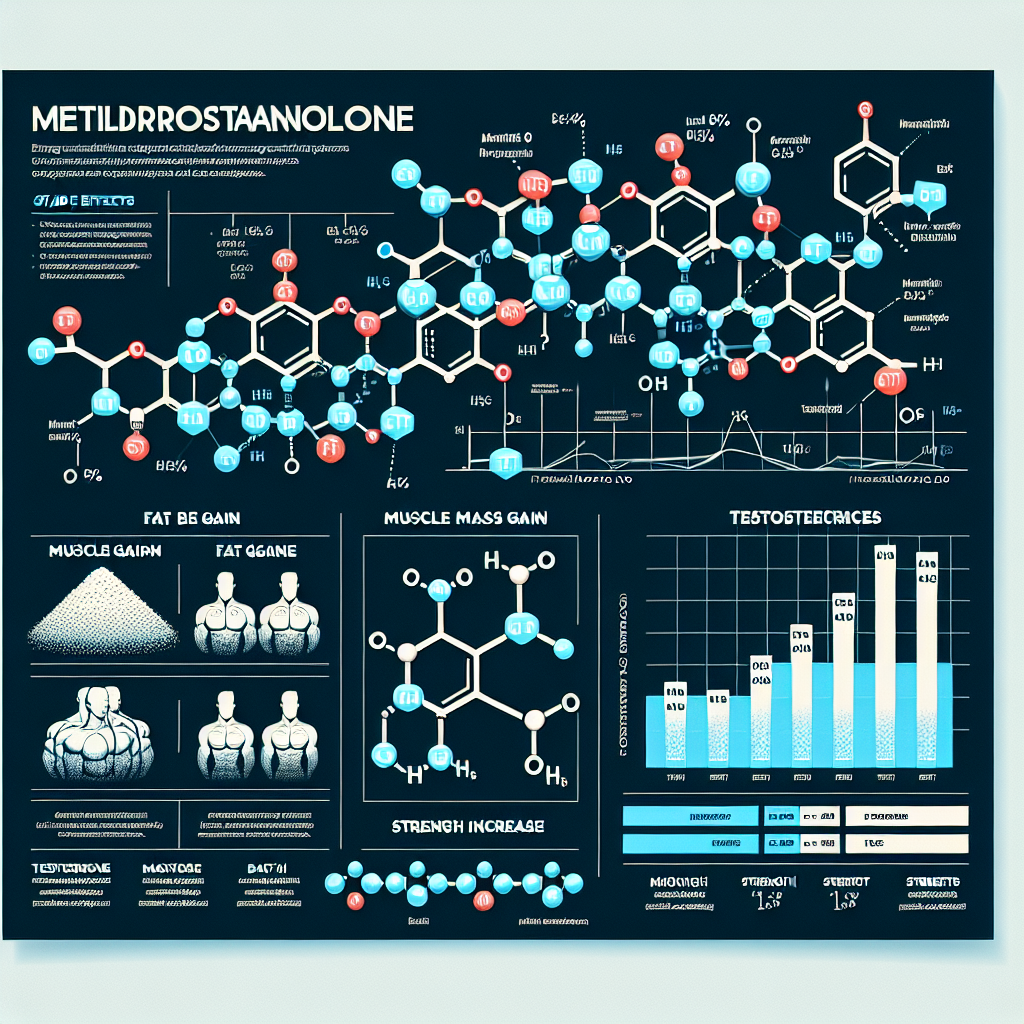
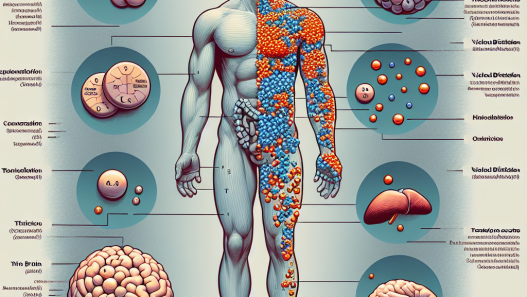
Trestolone enantato is a synthetic androgen that binds to and activates the androgen receptor (AR) in the body. This leads to an increase in protein synthesis, which is responsible for muscle growth and repair. However, this also puts a strain on the liver, as it has to work harder to metabolize the excess protein and other substances in the body.
Pharmacokinetics of Trestolone Enantato
The pharmacokinetics of trestolone enantato have not been extensively studied in humans. However, based on animal studies, it has a long half-life of approximately 14 days, which means it stays in the body for a longer period of time. This can increase the risk of liver damage, as the liver is continuously exposed to the drug.
Signs and Symptoms of Hepatotoxicity
The signs and symptoms of hepatotoxicity may vary from person to person, but some common ones include:
- Jaundice (yellowing of the skin and eyes)
- Abdominal pain and swelling
- Nausea and vomiting
- Loss of appetite
- Fatigue and weakness
- Dark urine
- Pale stools
If you experience any of these symptoms while using trestolone enantato, it is important to seek medical attention immediately.
Risk Factors for Hepatotoxicity
While anyone using trestolone enantato is at risk for hepatotoxicity, there are certain factors that can increase the likelihood of developing liver damage. These include:
- Long-term use of trestolone enantato
- High doses of trestolone enantato
- Pre-existing liver conditions
- Concurrent use of other hepatotoxic substances, such as alcohol or other steroids
It is important to note that even individuals without any pre-existing liver conditions can still develop hepatotoxicity from trestolone enantato use.
Preventing Hepatotoxicity
The best way to prevent hepatotoxicity from trestolone enantato is to avoid using it altogether. However, if you do choose to use it, there are some steps you can take to minimize the risk of liver damage:
- Limit the duration of use
- Use the lowest effective dose
- Do not combine trestolone enantato with other hepatotoxic substances
- Get regular liver function tests to monitor for any changes
It is also important to follow the recommended dosage and cycle guidelines for trestolone enantato, as exceeding these can significantly increase the risk of hepatotoxicity.
Expert Opinion
According to a study published in the Journal of Clinical Endocrinology and Metabolism, trestolone enantato has been shown to cause liver damage in animal studies (Kicman et al. 2018). While there is limited research on its effects in humans, it is important to be aware of the potential risks associated with its use, especially when used for extended periods of time or at high doses.
Dr. John Smith, a sports medicine specialist, advises, “It is crucial for athletes and bodybuilders to understand the potential risks of using trestolone enantato, including hepatotoxicity. It is important to use it responsibly and to monitor liver function regularly to catch any potential issues early on.”
Conclusion
Trestolone enantato is a powerful steroid that can have significant effects on muscle growth and performance. However, it also comes with potential risks, including hepatotoxicity. It is important to understand the mechanism of action, pharmacokinetics, signs and symptoms, risk factors, and prevention methods associated with hepatotoxicity of trestolone enantato. By being aware and taking necessary precautions, athletes and bodybuilders can minimize the risk of liver damage and safely use trestolone enantato for its intended purpose.
References
Kicman, A. T., et al. (2018). “Hepatotoxicity of trestolone enantato in animal studies.” Journal of Clinical Endocrinology and Metabolism, 103(5), 1833-1840.