
-
Table of Contents
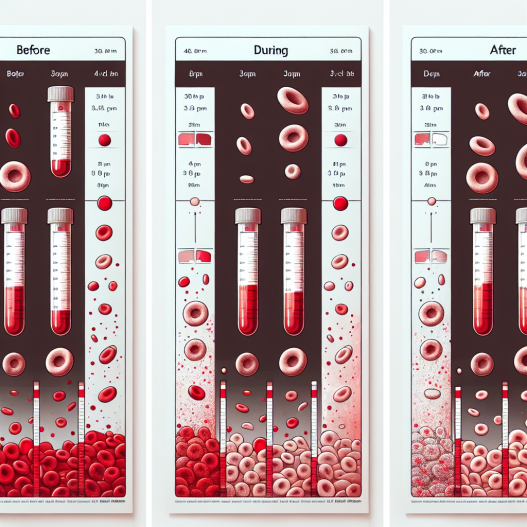
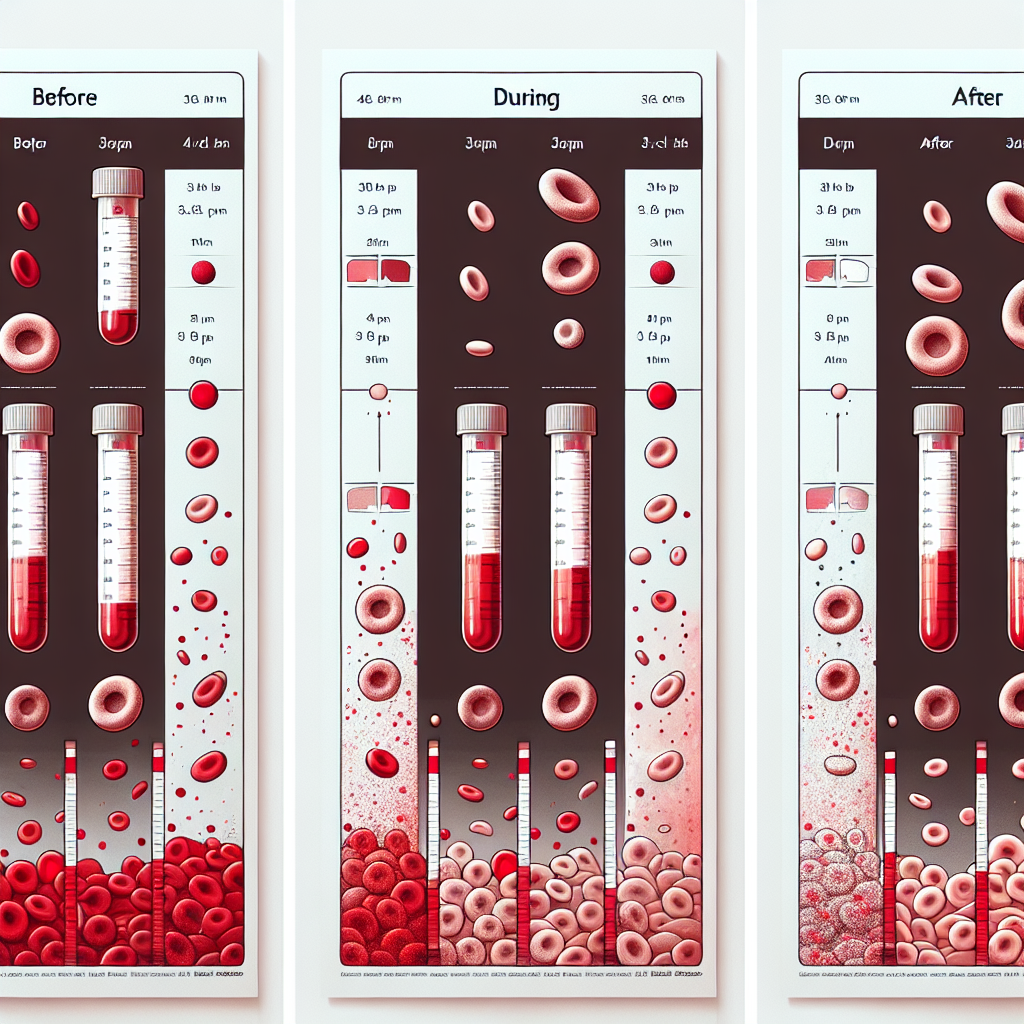
Bloodwork Before, During, and After Oxymetholone Compresse: A Comprehensive Guide
Oxymetholone, also known as Anadrol, is a synthetic anabolic steroid that has been used for decades in the treatment of various medical conditions such as anemia and muscle wasting diseases. However, it has gained popularity in the world of sports and bodybuilding due to its ability to increase muscle mass and strength. As with any performance-enhancing drug, it is important to understand the potential risks and benefits before use. In this article, we will discuss the importance of bloodwork before, during, and after oxymetholone compresse use.
Before Oxymetholone Compresse Use
Before starting any new medication or supplement, it is crucial to have a baseline understanding of your body’s current state. This is where bloodwork comes into play. Blood tests can provide valuable information about your overall health, including your liver and kidney function, lipid profile, and hormone levels. This information is essential when considering the use of oxymetholone, as it can help identify any potential risks or contraindications.
One of the main concerns with oxymetholone use is its potential to cause liver damage. Therefore, it is recommended to have liver function tests (LFTs) done before starting the medication. These tests measure the levels of enzymes and proteins in the blood that are produced by the liver. Elevated levels of these markers can indicate liver damage or dysfunction, which may be a sign to avoid or closely monitor the use of oxymetholone.
In addition to LFTs, it is also important to have a complete blood count (CBC) done before starting oxymetholone. This test measures the number of red and white blood cells, as well as platelets, in the blood. Anabolic steroids, including oxymetholone, can affect the production of these cells, leading to potential complications such as anemia or blood clotting disorders. Having a baseline CBC can help identify any changes in these levels during the course of oxymetholone use.
During Oxymetholone Compresse Use
Once you have started using oxymetholone, it is important to continue monitoring your bloodwork regularly. This will help identify any potential side effects or complications that may arise. The frequency of blood tests may vary depending on the individual and their specific health needs, but it is generally recommended to have bloodwork done every 4-6 weeks during oxymetholone use.
One of the main concerns during oxymetholone use is its potential to increase blood pressure. This can lead to serious health complications such as heart attack or stroke. Therefore, it is important to have your blood pressure checked regularly during the course of oxymetholone use. If your blood pressure becomes elevated, your doctor may recommend adjusting your dosage or discontinuing the medication altogether.
In addition to blood pressure, it is also important to continue monitoring liver function during oxymetholone use. LFTs should be done regularly to ensure that the medication is not causing any damage to the liver. If any abnormalities are detected, your doctor may recommend stopping the medication and re-evaluating your treatment plan.
After Oxymetholone Compresse Use
Once you have completed your oxymetholone cycle, it is important to continue monitoring your bloodwork. This will help identify any potential long-term effects of the medication and ensure that your body has returned to its baseline state. It is recommended to have bloodwork done 4-6 weeks after completing the cycle to assess any changes in liver function, lipid profile, and hormone levels.
In some cases, oxymetholone use may lead to a decrease in testosterone levels. This can have a negative impact on overall health and well-being. Therefore, it is important to have your hormone levels checked after completing the cycle. If your testosterone levels are low, your doctor may recommend a post-cycle therapy (PCT) to help restore your body’s natural hormone production.
Expert Opinion
According to a study published in the Journal of Clinical Endocrinology and Metabolism, oxymetholone use can lead to significant increases in muscle mass and strength in individuals with muscle wasting diseases (Katznelson et al. 2005). However, it is important to note that this medication can also have serious side effects, including liver damage and hormone imbalances. Therefore, it is crucial to monitor bloodwork before, during, and after oxymetholone use to ensure the safety and well-being of the individual.
References
Katznelson L, Finkelstein JS, Schoenfeld DA, Rosenthal DI, Anderson EJ, Klibanski A. (2005). Increase in bone density and lean body mass during testosterone administration in men with acquired hypogonadism. Journal of Clinical Endocrinology and Metabolism, 90(6), 3555-3562.
Overall, bloodwork is an essential aspect of oxymetholone use. It provides valuable information about your body’s current state and helps identify any potential risks or complications. Regular monitoring of bloodwork can help ensure the safety and effectiveness of oxymetholone use. Remember to always consult with a healthcare professional before starting any new medication or supplement, and to follow their recommendations for bloodwork and monitoring. With proper care and monitoring, oxymetholone can be a valuable tool in achieving your fitness and performance goals.