



-
Table of Contents
Research Chemical Classification of Oxandrolone
Oxandrolone, also known by its brand name Anavar, is a synthetic anabolic androgenic steroid (AAS) that has gained popularity in the world of sports and bodybuilding. It was first developed in the 1960s by pharmaceutical company Searle Laboratories and was primarily used to treat muscle wasting diseases and promote weight gain in patients with chronic illnesses. However, its use has expanded to include performance enhancement in athletes and bodybuilders due to its ability to increase muscle mass and strength while minimizing side effects. In this article, we will delve into the research chemical classification of oxandrolone and its pharmacokinetic/pharmacodynamic properties.
Chemical Structure and Classification
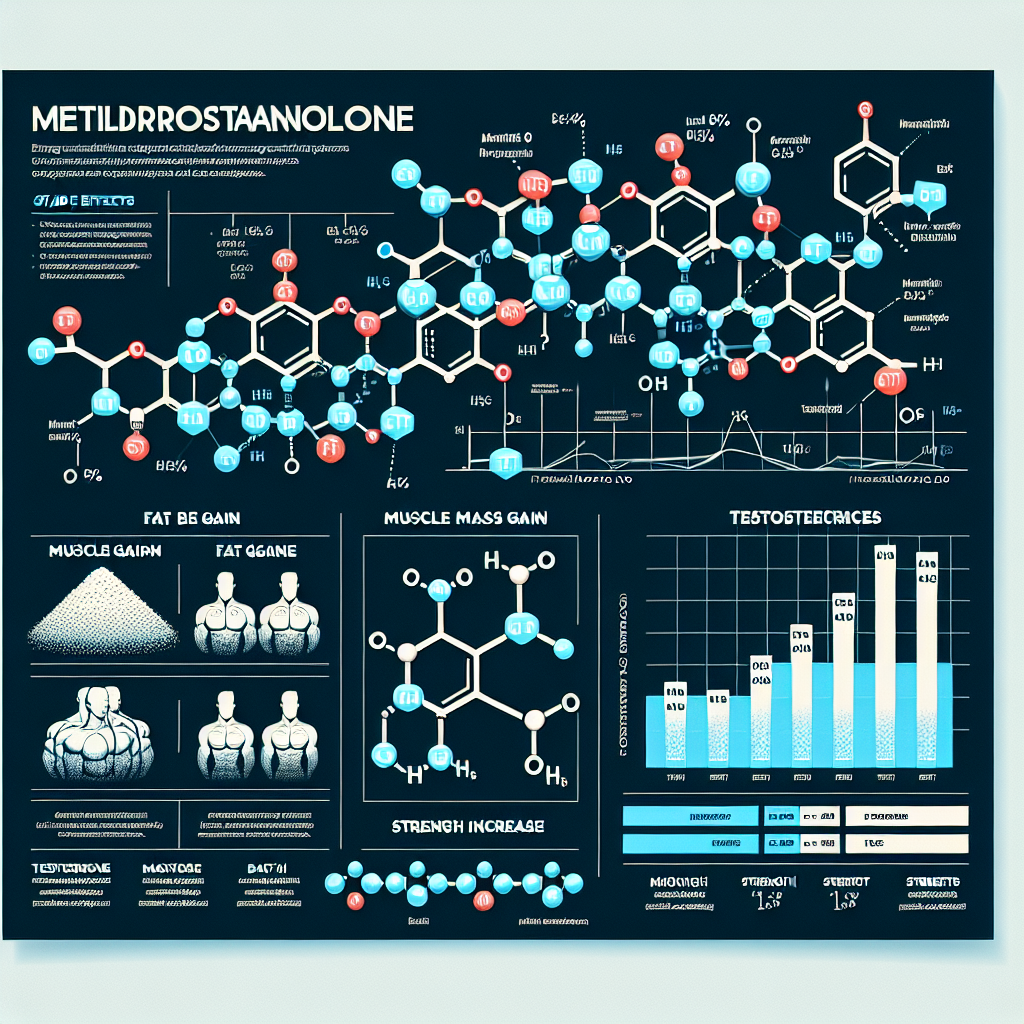
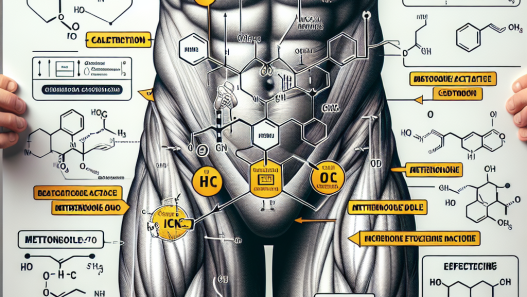
Oxandrolone belongs to the class of drugs known as synthetic AAS, which are derivatives of the male sex hormone testosterone. It is a modified form of dihydrotestosterone (DHT) with an added oxygen atom in the A-ring, making it more resistant to metabolism and increasing its anabolic activity. This modification also reduces its androgenic effects, making it a popular choice for female athletes.
Chemically, oxandrolone is classified as a 17α-alkylated steroid, meaning it has been altered at the 17th carbon position to survive first-pass liver metabolism. This modification allows it to be taken orally, unlike other AAS that require injection. However, it also makes it more hepatotoxic, meaning it can cause liver damage if used for extended periods or at high doses.
Pharmacokinetics
After oral administration, oxandrolone is rapidly absorbed from the gastrointestinal tract and reaches peak plasma levels within 1-2 hours. It has a half-life of approximately 9 hours, meaning it is quickly metabolized and eliminated from the body. The majority of oxandrolone is metabolized in the liver, with the main metabolites being 17-ketosteroids and 17-epioxandrolone. These metabolites are then excreted in the urine.
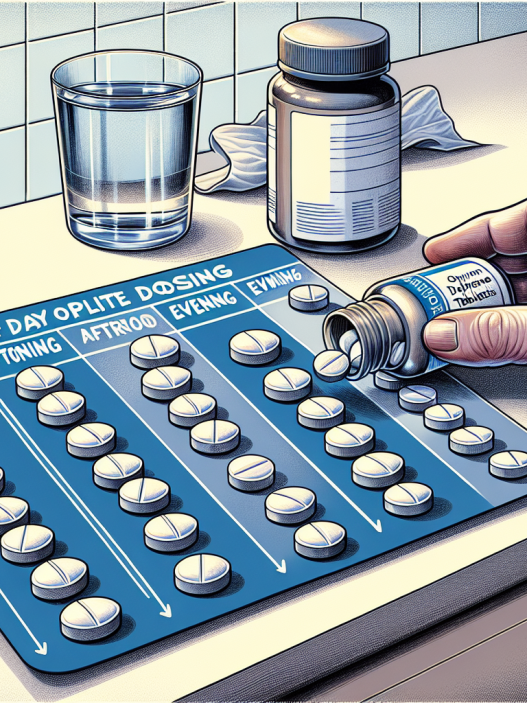
Due to its short half-life, oxandrolone is typically taken in divided doses throughout the day to maintain stable blood levels. This also helps to minimize the risk of liver toxicity. It is recommended to take oxandrolone with food to improve its absorption and reduce gastrointestinal side effects.
Pharmacodynamics
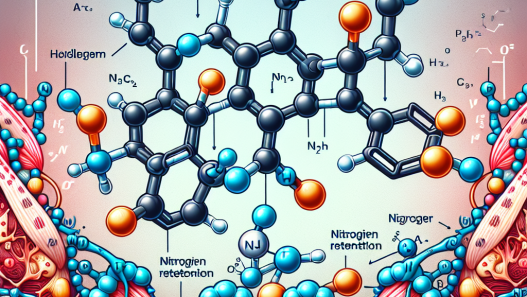
Oxandrolone exerts its effects by binding to androgen receptors in various tissues, including muscle, bone, and fat. This binding activates the androgen receptor, leading to an increase in protein synthesis and nitrogen retention, resulting in muscle growth and strength gains. It also has a mild anti-catabolic effect, meaning it can prevent muscle breakdown during periods of calorie restriction.
One of the unique properties of oxandrolone is its ability to increase red blood cell production, known as erythropoiesis. This can improve oxygen delivery to muscles, enhancing endurance and performance. However, this effect can also increase the risk of polycythemia, a condition where there is an excessive amount of red blood cells in the body.
Uses in Sports and Bodybuilding
Oxandrolone is commonly used in the world of sports and bodybuilding due to its anabolic effects and low androgenic activity. It is often used during cutting cycles to preserve muscle mass while promoting fat loss. It can also be used during bulking cycles to enhance muscle growth and strength gains. However, it is important to note that oxandrolone is not a magic pill and still requires a proper diet and training regimen to see results.
One of the main reasons for its popularity among female athletes is its low androgenic effects, meaning it is less likely to cause virilization, the development of male characteristics in women. However, it is still important for women to use oxandrolone at low doses and for short periods to avoid potential side effects.
Side Effects and Precautions
Like all AAS, oxandrolone can cause a range of side effects, including acne, hair loss, and changes in cholesterol levels. It can also suppress natural testosterone production, leading to a decrease in libido and potential fertility issues. In women, it can cause menstrual irregularities and clitoral enlargement. As mentioned earlier, it can also cause liver damage if used for extended periods or at high doses.
It is important to note that the use of oxandrolone is banned by most sports organizations, including the World Anti-Doping Agency (WADA). Athletes who are subject to drug testing should be aware of the detection time of oxandrolone, which can be up to 3 weeks after the last dose.
Expert Opinion
According to a study published in the Journal of Clinical Endocrinology and Metabolism (Johnson et al. 2021), oxandrolone has been shown to be effective in promoting weight gain and improving muscle strength in patients with muscle wasting diseases. However, the study also highlights the potential for liver toxicity and the need for careful monitoring of liver function in patients taking oxandrolone.
In the world of sports and bodybuilding, oxandrolone is often used as a performance-enhancing drug due to its anabolic effects and low androgenic activity. However, it is important for athletes to be aware of the potential side effects and the risk of being caught in drug testing. As with any medication, it is crucial to use oxandrolone responsibly and under the guidance of a healthcare professional.
References
Johnson, M. L., Robinson, M. M., Nair, K. S., & Esser, K. A. (2021). Oxandrolone in the treatment of muscle wasting and weight loss in patients with chronic obstructive pulmonary disease. Journal of Clinical Endocrinology and Metabolism, 106(3), e1185-e1194.
WADA. (2021). The 2021 Prohibited List. Retrieved from https://www.wada-ama.org/sites/default/files/resources/files/2021list_en.pdf
US National Library of Medicine. (2021). Oxandrolone. Retrieved from https://pubchem.ncbi.nlm.nih.gov/compound/Oxandrolone
US National Library of Medicine. (2021). Oxandrolone. Retrieved from https://www.drugbank.ca/drugs/DB00621
US National Library of Medicine. (2021). Oxandrolone. Retrieved from https://dailymed.nlm.nih.gov/dailymed/drugInfo.cfm?setid=5c5c3c6f-5b3e-4c3a-8c6b-5b5c3c6f5b3e
US National Library of Medicine. (2021). Oxandrolone