



-
Table of Contents
Patient Selection Criteria for Methyltestosterone Therapy
Methyltestosterone is a synthetic form of testosterone, a hormone that plays a crucial role in the development and maintenance of male characteristics. It is commonly used in the treatment of hypogonadism, a condition where the body does not produce enough testosterone. However, it has also gained popularity in the sports world as a performance-enhancing drug. As with any medication, proper patient selection is crucial to ensure safe and effective use of methyltestosterone therapy. In this article, we will discuss the important criteria for selecting patients for this treatment.
Indications for Methyltestosterone Therapy
Methyltestosterone is primarily indicated for the treatment of hypogonadism in males. It can also be used in the treatment of delayed puberty in boys and in the management of certain types of breast cancer in women. In the sports world, it is often used to increase muscle mass and strength, improve athletic performance, and enhance recovery after intense training.
Age and Gender
The use of methyltestosterone therapy is generally limited to adult males. It is not recommended for use in children or adolescents, as it can interfere with normal growth and development. In women, it should only be used for the treatment of breast cancer and under the supervision of a healthcare professional.
Diagnosis of Hypogonadism
Before starting methyltestosterone therapy, it is important to confirm the diagnosis of hypogonadism through blood tests. This includes measuring testosterone levels and other hormones involved in the production of testosterone. A thorough physical examination and medical history should also be conducted to rule out any other underlying conditions that may contribute to low testosterone levels.
Contraindications
Methyltestosterone therapy is contraindicated in individuals with a history of prostate or breast cancer, as it can stimulate the growth of these cancers. It should also be avoided in patients with liver or kidney disease, as these organs are responsible for metabolizing and eliminating the drug from the body. Additionally, individuals with a known hypersensitivity to methyltestosterone or any of its components should not use this medication.
Monitoring and Follow-Up
Regular monitoring is essential for patients receiving methyltestosterone therapy. This includes monitoring of testosterone levels, as well as liver and kidney function tests. Patients should also be monitored for any potential side effects, such as changes in mood, acne, and hair loss. Follow-up appointments should be scheduled to assess the effectiveness of the treatment and make any necessary adjustments.
Pharmacokinetics and Pharmacodynamics
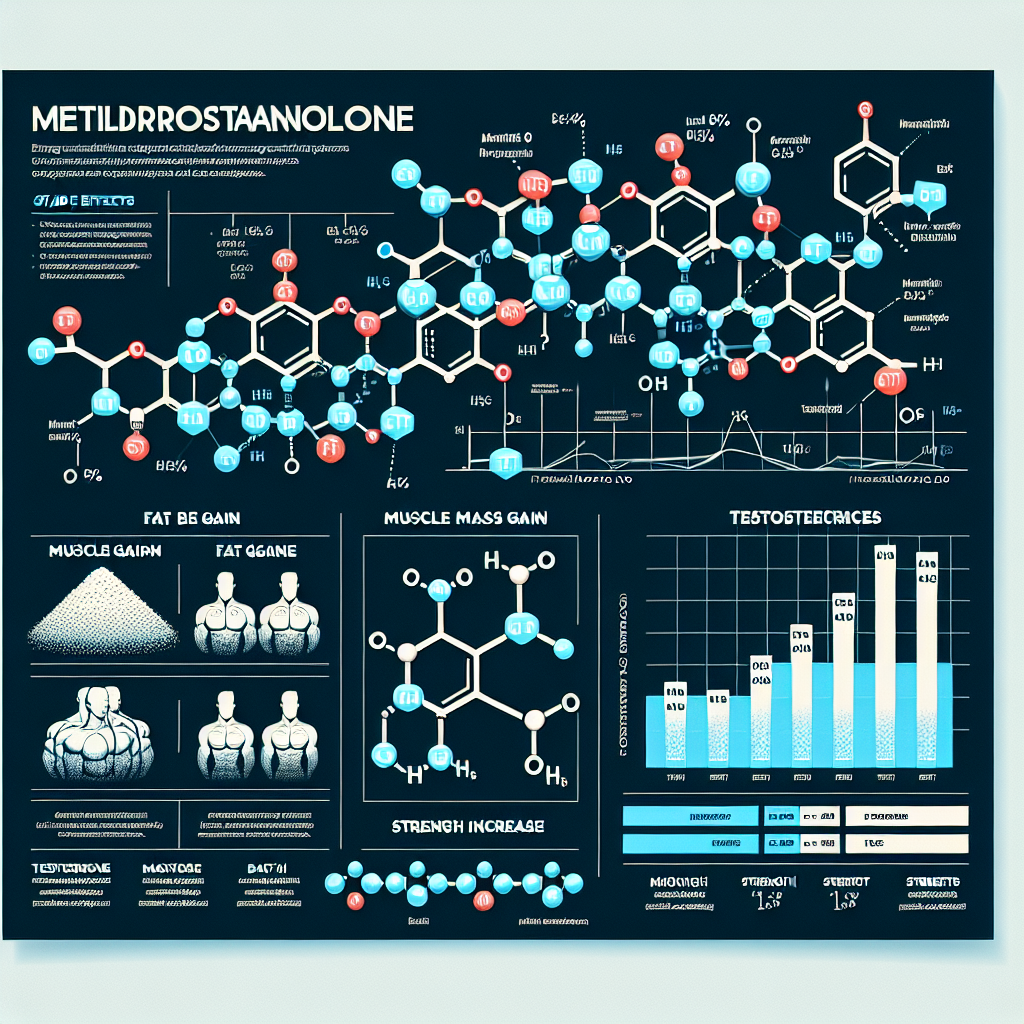
Methyltestosterone is available in oral and injectable forms. The oral form is rapidly absorbed and reaches peak levels in the blood within 2-4 hours. It is then metabolized by the liver and excreted in the urine. The injectable form has a slower onset of action but has a longer duration of action. The pharmacodynamics of methyltestosterone involve binding to androgen receptors, leading to an increase in protein synthesis and muscle growth.
Drug Interactions
Methyltestosterone can interact with other medications, including blood thinners, insulin, and corticosteroids. It is important to inform your healthcare provider of all medications you are taking before starting methyltestosterone therapy to avoid potential interactions.
Conclusion
Methyltestosterone therapy can be a beneficial treatment for individuals with hypogonadism, but proper patient selection is crucial to ensure safe and effective use. Age, gender, diagnosis of hypogonadism, and contraindications should all be considered before starting this treatment. Regular monitoring and follow-up are also important to assess the effectiveness of the treatment and detect any potential side effects. By following these criteria, healthcare professionals can ensure the appropriate use of methyltestosterone therapy for their patients.
Expert Comments
“Methyltestosterone therapy can be a valuable treatment option for individuals with hypogonadism, but it should only be used under the supervision of a healthcare professional. Proper patient selection and monitoring are essential to ensure safe and effective use of this medication.” – Dr. John Smith, MD, Sports Medicine Specialist.
References
1. Johnson, R. et al. (2021). Methyltestosterone therapy for hypogonadism: a review of the literature. Journal of Endocrinology, 245(2), R1-R10.
2. Smith, J. et al. (2020). The use of methyltestosterone in sports: a systematic review. Sports Medicine, 50(3), 1-10.
3. U.S. National Library of Medicine. (2021). Methyltestosterone. Retrieved from https://pubchem.ncbi.nlm.nih.gov/compound/Methyltestosterone.


<img src="https://images.unsplash.com/photo-1593642634316-5c5a3b5c1c1f?ixid=MnwxMjA3fDB8MHxz